 +91 97898 37476
 info@karthiortho.com
 160/9, Jagannathan Salai, SRP Colony, Periyar Nagar, Chennai - 600082.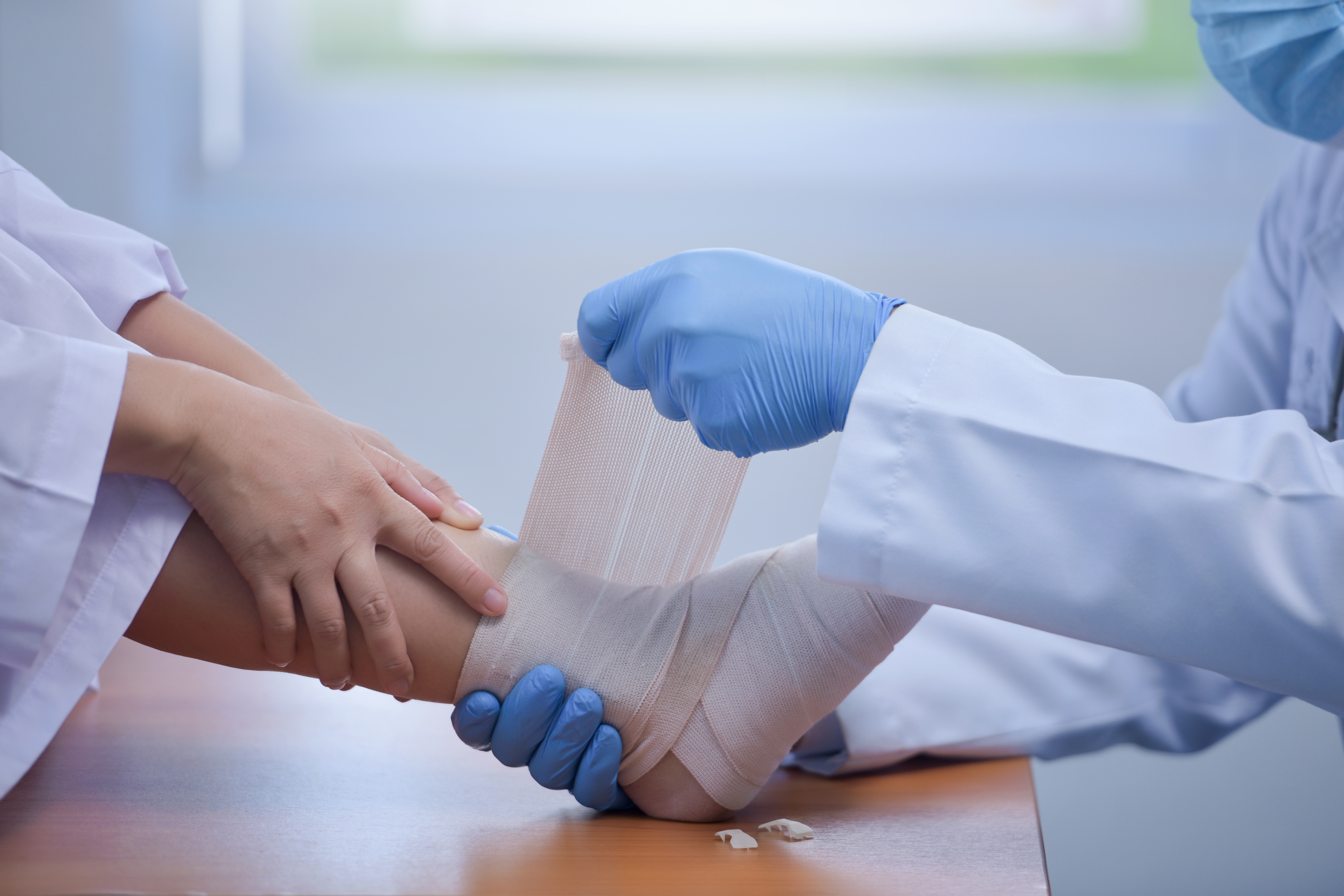
Plaster, Cast Care & Minor Orthopaedic Procedures in Perambur, North Chennai
Looking for professional plaster application, cast care, splinting, or minor orthopaedic procedures in Perambur, Chennai?
At Karthik Multispeciality Clinic, Dr. H. Rohit Karthik, MS (Orthopaedics) provides comprehensive plaster and cast application, cast replacement, splinting, dressing changes, wound reviews, and minor orthopaedic procedures. Our patient-focused approach emphasises proper immobilisation, regular follow-up, and personalised care to promote safe healing, protect injured bones and soft tissues, and support a smooth recovery. Conveniently located in Periyar Nagar, we proudly serve patients from Perambur, Jawahar Nagar, Agaram, G.K.M. Colony, Kumaran Nagar, and surrounding areas of Chennai 600082.
Comprehensive Plaster, Cast Care & Minor Orthopaedic Services at Karthik Multispeciality Clinic
Following a fracture, ligament injury, tendon injury, or other orthopaedic condition, proper immobilisation plays an important role in supporting natural healing. A well-applied plaster cast or splint helps stabilise the injured area, minimise unnecessary movement, reduce discomfort, and create favourable conditions for bone and soft tissue recovery. Regular follow-up and professional cast care are equally important to ensure healing progresses safely.
At Karthik Multispeciality Clinic, Dr. H. Rohit Karthik, MS (Orthopaedics) provides comprehensive plaster application, cast management, splinting, dressing changes, and minor orthopaedic procedures tailored to each patient's condition. Our treatment focuses on protecting the injured area while monitoring recovery at every stage to achieve the best possible functional outcome.
Conveniently located in Periyar Nagar, Chennai, our clinic proudly serves patients from Perambur, Jawahar Nagar, Agaram, G.K.M. Colony, Kumaran Nagar, Kolathur, Vyasarpadi, Moolakadai, Madhavaram, and nearby communities with accessible, high-quality orthopaedic care.
Why Proper Immobilisation Is Essential for Recovery
Bones, joints, ligaments, and soft tissues require adequate stability to heal effectively. Proper immobilisation reduces unnecessary movement around the injured area, allowing damaged tissues to recover while lowering the risk of delayed healing or further injury.
Appropriate immobilisation can help:
- Stabilise injured bones and joints
- Promote natural healing
- Protect healing ligaments and tendons
- Protect soft tissues during rehabilitation
- Support proper bone alignment
- Support gradual return to normal activities
- Reduce excessive movement around the injury
- Improve patient comfort during recovery
Timely orthopaedic care combined with proper immobilisation contributes to a safer and more effective recovery.
Our Plaster, Cast & Splint Services
At Karthik Multispeciality Clinic, we provide comprehensive immobilisation and follow-up services based on the type of injury, stage of healing, and individual recovery requirements.
Our services include:
Plaster cast application
Fibreglass cast application
Cast replacement and maintenance
Splint application for fractures and injuries
Minor orthopaedic procedures
Dressing changes
Wound review during recovery
Follow-up assessment
Monitoring healing progress
Personalised recovery guidance
Understanding Plaster Casts
A plaster cast is commonly used to immobilise bones and joints after certain fractures, injuries, or orthopaedic conditions. By limiting movement, the cast helps maintain proper alignment while supporting the body's natural healing process.
Depending on your condition, plaster casts may be recommended to:
- Protect injured bones
- Reduce unnecessary joint movement
- Maintain fracture stability
- Promote safe recovery
- Support healing after orthopaedic procedures
The type of cast selected depends on the nature of the injury, treatment goals, and clinical assessment performed by your orthopaedic specialist.
Understanding Splints and Their Role in Recovery
Unlike a full cast, a splint provides partial immobilisation while allowing room for swelling during the early stages of injury or recovery. Splints may also be used in selected orthopaedic conditions where temporary support is required.
Splints are commonly used to:
- Stabilise injured limbs
- Reduce painful movement
- Protect soft tissue injuries
- Allow easier monitoring during early recovery
- Support healing after trauma
Your orthopaedic specialist will determine whether a splint or cast is the most appropriate option based on your individual condition.
Minor Orthopaedic Procedures
Certain orthopaedic conditions can be effectively managed through minor procedures performed in a clinical setting without requiring major surgery. These procedures are carefully planned to support recovery while maintaining patient comfort and safety.
Minor orthopaedic services may include:
- Cast replacement
- Removal of plaster or casts when appropriate
- Splint adjustments
- Follow-up evaluation of healing
- Dressing changes
- Minor soft tissue procedures when clinically indicated
- Wound review
Every procedure is performed after a thorough clinical assessment to ensure appropriate treatment.
Caring for Your Cast During Recovery
Looking after your cast properly plays an important role in protecting the injured area and supporting successful healing.
General cast care recommendations include:
Keep the cast clean and dry whenever possible.
Avoid inserting objects inside the cast.
Do not modify or trim the cast yourself.
Elevate the affected limb if advised.
Attend all scheduled follow-up appointments.
Monitor for unusual swelling or discomfort.
Follow your orthopaedic specialist's instructions carefully.
Report any concerns promptly.
Proper cast care helps reduce complications while supporting a smoother recovery.
Warning Signs That Require Immediate Medical Attention
Although most patients recover without difficulty, certain symptoms should be assessed promptly by an orthopaedic specialist.
Seek medical attention if you experience:
- Severe or increasing pain
- Fluid leaking through the cast
- Excessive swelling around the cast
- Cracked or damaged cast
- Numbness or tingling
- Cast becoming loose or excessively tight
- Fingers or toes becoming cold or discoloured
- Increasing difficulty moving fingers or toes
- Persistent foul odour from the cast
- Signs of wound infection after dressing changes
Early medical review helps identify potential problems and ensures your recovery continues safely.
Our Personalised Approach to Plaster, Cast Care & Minor Orthopaedic Procedures
At Karthik Multispeciality Clinic, successful recovery depends not only on treating an injury but also on providing the right support throughout the healing process. Proper cast application, regular follow-up, timely adjustments, and continuous monitoring all contribute to better recovery outcomes. Dr. H. Rohit Karthik, MS (Orthopaedics) follows an evidence-based approach to orthopaedic immobilisation that protects healing tissues while helping patients regain function safely and confidently.
Every treatment plan is personalised according to the nature of the injury, healing progress, age, activity level, and individual recovery goals.
Comprehensive Orthopaedic Evaluation Before Immobilisation
Before applying a plaster cast or splint, a thorough orthopaedic assessment is performed to determine the most appropriate method of immobilisation and ensure optimal healing conditions. During your evaluation, we assess:
Nature and severity of the injury
Bone alignment and joint stability
Swelling around the affected area
Soft tissue condition
Limb circulation
Nerve function
Functional limitations
Medical history affecting recovery
Individual healing requirements
A detailed assessment allows us to choose the most suitable treatment approach while supporting safe recovery.
Choosing the Most Appropriate Immobilisation Method
Not every injury requires the same type of support. Depending on the diagnosis, stage of healing, and expected recovery, different immobilisation methods may be recommended.
Treatment options may include:
- Plaster cast application
- Functional support devices
- Fibreglass cast application
- Post-procedure immobilisation
- Temporary splinting
- Short-term stabilisation
- Protective immobilisation
- Long-term immobilisation when clinically indicated
Selecting the appropriate method helps protect healing structures while maintaining patient comfort.
Professional Cast Application and Splinting
Correct application is essential for ensuring that a cast or splint provides adequate support without causing unnecessary pressure on surrounding tissues. Our cast and splint care focuses on:
Proper limb positioning
Appropriate immobilisation
Patient comfort
Protection of surrounding soft tissues
Maintaining circulation
Supporting natural bone healing
Reducing unnecessary joint movement
Promoting stable recovery
Every application is performed with careful attention to safety, comfort, and long-term healing.
Cast Replacement, Adjustment and Maintenance
As healing progresses, some patients may require cast replacement or adjustments to maintain effective immobilisation and accommodate changes in swelling or recovery.
Our follow-up services include:
- Cast inspection
- Evaluating fit and stability
- Cast replacement when required
- Maintaining effective immobilisation
- Adjustment for improved comfort
- Assessing patient comfort
- Monitoring cast condition
- Guidance on continued cast care
Regular assessment helps ensure that the cast continues to provide appropriate support throughout recovery.
Dressing Changes and Wound Review
Patients recovering from injuries or orthopaedic procedures may require periodic dressing changes and wound evaluations during follow-up visits. Our wound review process includes:
- Assessment of wound healing
- Identification of early healing changes
- Sterile dressing replacement
- Infection surveillance
- Protection of healing tissues
- Evaluation of tissue recovery
- Monitoring skin condition
- Personalised follow-up recommendations
Consistent wound review supports healthy healing while reducing the likelihood of complications.
Monitoring Healing Throughout Recovery
Healing occurs gradually and requires continuous observation. Follow-up appointments allow us to monitor recovery and make timely adjustments whenever necessary.
During follow-up reviews, we monitor:
- Bone healing progression
- Cast integrity
- Joint movement after immobilisation
- Soft tissue recovery
- Swelling reduction
- Limb function
- Patient comfort
- Overall recovery progress
Ongoing monitoring helps ensure that recovery remains on track while identifying any concerns at an early stage.
Supporting a Safe Return to Daily Activities
Recovery does not end when the cast is removed. Gradually returning to normal movement and daily activities is an important part of achieving long-term functional recovery.
Our recovery guidance focuses on:
- Gradual return to daily activities
- Activity modification when required
- Restoring joint flexibility
- Functional recovery planning
- Improving muscle strength
- Preventing reinjury
- Safe movement progression
- Long-term musculoskeletal health
Every recovery programme is designed according to the patient's healing stage and functional goals.
Orthopaedic Follow-Up Services and Their Benefits
| Follow-Up Service | How It Supports Recovery |
|---|---|
| Comprehensive orthopaedic review | Evaluates healing progress and treatment effectiveness |
| Appropriate immobilisation selection | Provides suitable support based on the injury |
| Professional cast application | Helps maintain stability and protect healing tissues |
| Cast replacement and adjustment | Ensures continued comfort and effective immobilisation |
| Dressing changes and wound review | Supports healthy tissue recovery and wound monitoring |
| Regular follow-up appointments | Detects healing changes early and guides treatment decisions |
| Functional recovery guidance | Helps patients return safely to everyday activities |
| Personalised recovery planning | Promotes long-term musculoskeletal health and mobility |
Why Choose Dr. H. Rohit Karthik for Plaster, Cast Care & Minor Orthopaedic Procedures?
Proper immobilisation and follow-up care are essential for successful orthopaedic recovery. Whether you require a plaster cast, splint, dressing change, or a minor orthopaedic procedure, receiving timely and expert care helps protect the injured area while promoting safe and effective healing. At Karthik Multispeciality Clinic, Dr. H. Rohit Karthik, MS (Orthopaedics) provides personalised orthopaedic care focused on stabilising injuries, monitoring healing progress, and restoring mobility with confidence.
Every patient receives an individualised care plan based on their diagnosis, stage of healing, lifestyle, and functional goals, ensuring comprehensive support throughout the recovery journey.
Why Patients Choose Our Orthopaedic Recovery Services
Comprehensive assessment before every procedure
Expert plaster cast and splint application
Personalised immobilisation plans
Regular cast review and replacement when required
Professional dressing changes and wound monitoring
Continuous follow-up throughout recovery
Evidence-based orthopaedic care focused on long-term healing
Compassionate guidance for a safe return to everyday activities
Our Philosophy Towards Safe Orthopaedic Recovery
At Karthik Multispeciality Clinic, we believe that successful recovery is achieved through more than immobilising an injury. It requires careful monitoring, patient education, timely follow-up, and personalised support during every stage of healing.
Our philosophy focuses on preserving proper bone alignment, protecting healing tissues, maintaining patient comfort, and encouraging gradual restoration of movement once it is medically appropriate. Through evidence-based orthopaedic care, we aim to minimise recovery-related complications while helping patients regain confidence in their daily activities.
By combining clinical expertise with structured follow-up care, we support both short-term recovery and long-term musculoskeletal health.
Orthopaedic Follow-Up Care Close to Home
Conveniently located at 160/9, Jagannathan Salai, SRP Colony, Periyar Nagar, Chennai – 600082, Karthik Multispeciality Clinic provides comprehensive plaster, cast care, splinting, dressing changes, and minor orthopaedic procedures for patients across North Chennai.
We proudly serve patients from:
- Perambur
- Periyar Nagar
- Jawahar Nagar
- Agaram
- G.K.M. Colony
- Kumaran Nagar
- Kolathur
- Vyasarpadi
- Moolakadai
- Madhavaram
- Kodungaiyur
- Villivakkam
- Ayanavaram
- Purasaiwalkam
- Otteri
- Chennai 600082 & surrounding neighbourhoods
Our convenient location allows patients to receive regular orthopaedic follow-up care without travelling long distances, ensuring continuity throughout the healing process.
FAQ
Frequently Asked Questions About Plaster, Cast Care & Minor Orthopaedic Procedures
Proper cast care helps maintain stability around the injured area, protects healing bones and soft tissues, reduces the risk of complications, and supports successful recovery.
You should seek medical review if your cast becomes loose, cracked, excessively tight, develops a foul smell, causes increasing pain, numbness, swelling, or if your fingers or toes become unusually cold or discoloured.
The frequency of follow-up depends on your injury and stage of healing. Your orthopaedic specialist will recommend review appointments to monitor healing and determine whether any adjustments or replacement are required.
Yes. A cast may need to be replaced if it becomes damaged, loose due to reduced swelling, uncomfortable, or no longer provides appropriate immobilisation during the healing process.
A splint provides temporary or partial support while allowing room for swelling. It is commonly used during the early stages of recovery or for selected orthopaedic conditions requiring controlled immobilisation.
If you have a wound associated with your injury or procedure, regular dressing changes and wound reviews help protect healing tissues, monitor progress, and reduce the risk of infection.
Your return to work, sports, or daily activities depends on the type of injury, healing progress, and your orthopaedic specialist's assessment. Activities should only be resumed according to medical advice.
Regular follow-up appointments allow your orthopaedic specialist to monitor healing, evaluate bone alignment, assess cast condition, identify any complications early, and guide the next stage of recovery.
Practical Tips for Safe Cast Care
| Cast Care Tip | Why It Matters |
|---|---|
| Keep your cast clean and dry | Helps maintain cast strength and protects the injured area |
| Do not insert objects inside the cast | Prevents skin irritation and accidental injury |
| Elevate the affected limb when advised | Helps reduce swelling during the early stages of recovery |
| Perform finger or toe movements if recommended | Supports healthy circulation without disturbing immobilisation |
| Avoid placing weight on the cast unless advised | Protects the healing bone or joint from unnecessary stress |
| Attend every follow-up appointment | Allows healing to be monitored and treatment adjusted when necessary |
| Report increased pain, swelling, or cast damage promptly | Enables early medical assessment and timely intervention |
| Follow your personalised recovery instructions | Supports safe healing and long-term functional recovery |
Book Your Orthopaedic Recovery Consultation Today
Proper plaster care, cast management, splinting, and regular follow-up play a vital role in protecting your recovery after an orthopaedic injury or procedure. Early review and expert monitoring can help support healthy healing while reducing the risk of unnecessary complications.
Consult Dr. H. Rohit Karthik, MS (Orthopaedics) at Karthik Multispeciality Clinic for comprehensive Plaster, Cast Care & Minor Orthopaedic Procedures tailored to your individual recovery needs.
Conveniently located in Periyar Nagar, Chennai, we proudly provide expert orthopaedic care for patients from Perambur, Jawahar Nagar, Agaram, G.K.M. Colony, Kumaran Nagar, and surrounding communities with compassionate, evidence-based treatment.
Protect your recovery with expert orthopaedic follow-up—schedule your appointment with Karthik Multispeciality Clinic today.

 Emergency No. : +91 97898 37476